

Introduction
A vegan diet is a plant-based eating pattern that eliminates all animal products. It has gained popularity for its numerous health benefits, including weight loss, improved digestion, and reduced risk of chronic diseases. By focusing on whole, nutrient-dense foods, a vegan diet can support sustainable weight loss while promoting overall well-being.
How Does a Vegan Diet Support Weight Loss?
- Lower Caloric Density – Whole plant foods are naturally lower in calories but high in fiber, keeping you full for longer.
- Higher Fiber Intake – Fiber-rich foods help control hunger and support digestion.
- Elimination of Processed Foods – A well-balanced vegan diet avoids highly processed and high-calorie foods, leading to healthier weight management.
- Improved Metabolism – Plant-based diets are linked to better insulin sensitivity and metabolic health.
Foods to Eat on a Vegan Diet
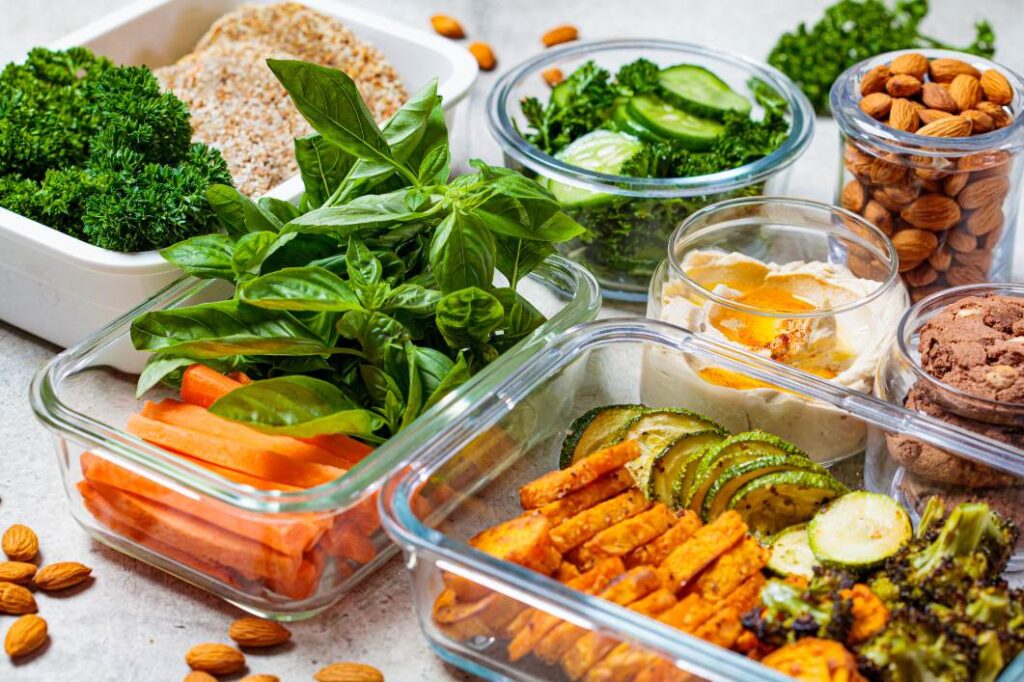
- Fruits and Vegetables: Berries, leafy greens, bell peppers, carrots, and tomatoes.
- Whole Grains: Brown rice, quinoa, oats, whole wheat, and barley.
- Legumes: Lentils, chickpeas, black beans, and soy products like tofu and tempeh.
- Nuts and Seeds: Almonds, walnuts, chia seeds, flaxseeds, and sunflower seeds.
- Healthy Fats: Avocados, coconut, olives, and plant-based oils.
- Dairy Alternatives: Almond milk, soy milk, cashew cheese, and coconut yogurt.
Foods to Avoid
- Animal Products: Meat, dairy, eggs, and seafood.
- Highly Processed Vegan Foods: Vegan junk food, sugary drinks, and refined grains.
- Added Sugars: Candy, soda, and excessive sweeteners.
- Unhealthy Fats: Hydrogenated oils and excessive fried foods.
Best Practices for Vegan Weight Loss Success
- Stay Hydrated – Drink plenty of water and herbal teas.
- Plan Balanced Meals – Ensure a mix of protein, healthy fats, and complex carbohydrates.
- Control Portion Sizes – Even healthy plant-based foods can contribute to excess calorie intake.
- Exercise Regularly – Combine cardio and strength training for optimal results.
- Monitor Nutrient Intake – Pay attention to vitamin B12, iron, and omega-3s to maintain optimal health.
Potential Challenges and Solutions
- Nutrient Deficiencies: Supplement with B12, iron, and omega-3s as needed.
- Social Challenges: Plan ahead when dining out or attending social events.
- Hunger Issues: Include high-protein plant foods and fiber-rich meals to stay full longer.
- Weight Loss Plateaus: Adjust portion sizes and activity levels as needed.
Conclusion
A vegan diet is a powerful and sustainable way to lose weight while improving overall health. By choosing whole, plant-based foods and following best practices, individuals can shed pounds naturally and maintain a healthy lifestyle. As with any diet change, consulting a healthcare professional ensures a balanced approach to weight loss and long-term well-being.


