

Introduction
The ketogenic diet (keto) has gained widespread popularity for its ability to help people shed excess weight while improving overall health. By drastically reducing carbohydrate intake and increasing healthy fats, the keto diet shifts the body into a fat-burning metabolic state known as ketosis. This guide explores how the keto diet works, its benefits, and best practices for sustainable weight loss.
What is the Ketogenic Diet?
The ketogenic diet is a low-carb, high-fat eating plan designed to induce ketosis, where the body primarily burns fat for energy instead of carbohydrates. The standard macronutrient breakdown for a keto diet typically consists of:
- 70-75% Fat
- 20-25% Protein
- 5-10% Carbohydrates
By significantly cutting carbs, the body depletes its glycogen stores, prompting it to use fat as its main energy source.
How Does the Keto Diet Promote Weight Loss?
- Increases Fat Burning – Ketosis enhances the body’s ability to burn stored fat for energy.
- Reduces Appetite – Higher fat and protein intake leads to greater satiety and reduced cravings.
- Improves Insulin Sensitivity – Lower carb intake stabilizes blood sugar levels and reduces insulin spikes.
- Enhances Metabolic Efficiency – A ketogenic state boosts mitochondrial function and energy production.
Foods to Eat on a Keto Diet
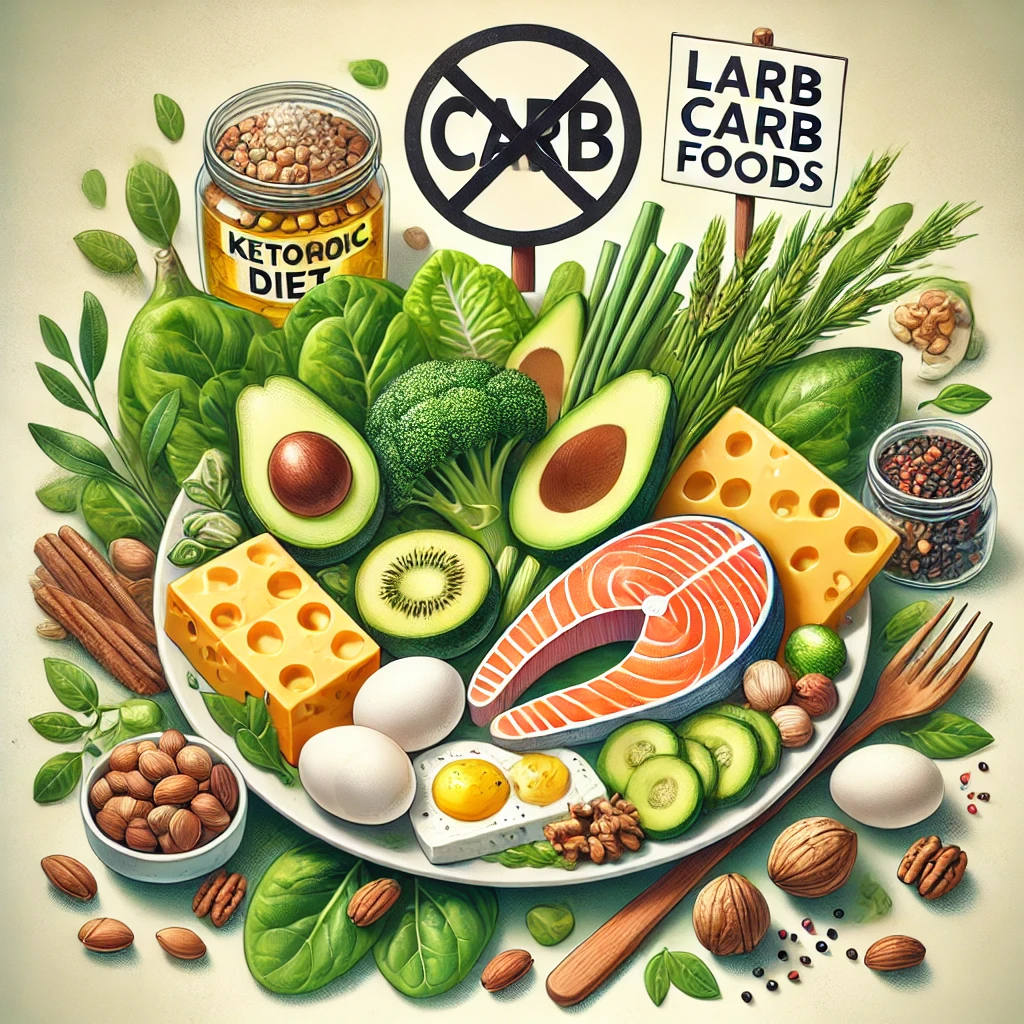
- Healthy Fats: Avocados, olive oil, coconut oil, butter, nuts, and seeds.
- Protein Sources: Meat, poultry, fish, eggs, and cheese.
- Low-Carb Vegetables: Leafy greens, broccoli, cauliflower, zucchini, and bell peppers.
- Dairy Products: Full-fat yogurt, cream, and hard cheeses.
- Beverages: Water, black coffee, herbal tea, and bone broth.
Foods to Avoid
- Sugary Foods: Soda, candy, baked goods, and processed snacks.
- Grains and Starches: Bread, pasta, rice, and cereal.
- High-Carb Fruits: Bananas, grapes, and pineapples.
- Legumes: Beans, lentils, and chickpeas.
- Unhealthy Fats: Processed vegetable oils and margarine.
Best Practices for Keto Success
- Stay Hydrated – Drink plenty of water to prevent dehydration and keto flu symptoms.
- Monitor Macros – Use tracking apps to maintain the proper macronutrient ratio.
- Incorporate Electrolytes – Balance sodium, potassium, and magnesium intake to avoid imbalances.
- Exercise Regularly – Strength training and aerobic workouts can enhance fat loss.
- Plan Meals Ahead – Preparing keto-friendly meals in advance prevents carb temptations.
Potential Challenges and Solutions
- Keto Flu: Fatigue and headaches may occur initially; stay hydrated and consume electrolytes.
- Digestive Issues: Increase fiber intake with non-starchy vegetables.
- Social Constraints: Inform friends and family to gain support for your dietary choices.
- Plateaus: Adjust macros and incorporate intermittent fasting for continued progress.
Conclusion
The ketogenic diet offers a powerful approach to weight loss and energy enhancement by shifting the body’s metabolism to burn fat efficiently. By following best practices and making informed food choices, individuals can achieve sustainable weight loss and improved overall health. Before starting a keto diet, consult a healthcare professional to ensure it aligns with your health needs and goals.


Thank you for your sharing. I am worried that I lack creative ideas. It is your article that makes me full of hope. Thank you. But, I have a question, can you help me?